
📌 Featured Snippet
Looking for the best energy saving tips in 2026? Start by reducing standby power, switching to LED lighting, improving home insulation, and using smart energy habits. Small changes can significantly lower electricity bills over time, although results may vary depending on your location, climate, and household size.
Table of Contents
- Introduction
- Why Energy Costs Are Rising in 2026
- Best Energy Saving Tips for Every Household
- Smart Technology That Saves Money
- Energy Saving Habits That Cost Nothing
- Biggest Home Upgrades Worth Considering
- Common Mistakes to Avoid
- Frequently Asked Questions
- Conclusion
- Financial Disclaimer
Introduction: The Electric Bill That Made Sarah Panic
Last winter, Sarah, a university teacher from Canada, opened her electricity bill and nearly spilled her coffee.
Her monthly energy costs had jumped by almost 30% compared to the previous year. She hadn’t bought any new appliances. She wasn’t running a business from home. Life seemed exactly the same.
So what changed?
The answer was simple. Small daily habits were quietly draining money from her wallet. Devices left plugged in. Heating running when nobody was home. Old light bulbs consuming far more electricity than necessary.
Here’s the thing…
Many people believe reducing energy bills requires expensive renovations or solar panels costing thousands of dollars. In my experience, that’s only part of the story. Some of the most effective savings come from changes that cost little or nothing at all.
If you’re searching for the best energy saving tips to cut costs in 2026, you’re in the right place.
Why Energy Costs Are Rising in 2026
Around the world, households continue to face higher utility costs due to increased energy demand, infrastructure investments, and fluctuating fuel prices.
According to the International Energy Agency (IEA), global electricity demand has continued to grow as more homes adopt electric appliances, air conditioning systems, and digital technologies.
Meanwhile, the U.S. Energy Information Administration reports that residential electricity consumption remains one of the largest ongoing household expenses.
The result?
Families everywhere are looking for practical ways to reduce electricity bills without sacrificing comfort.
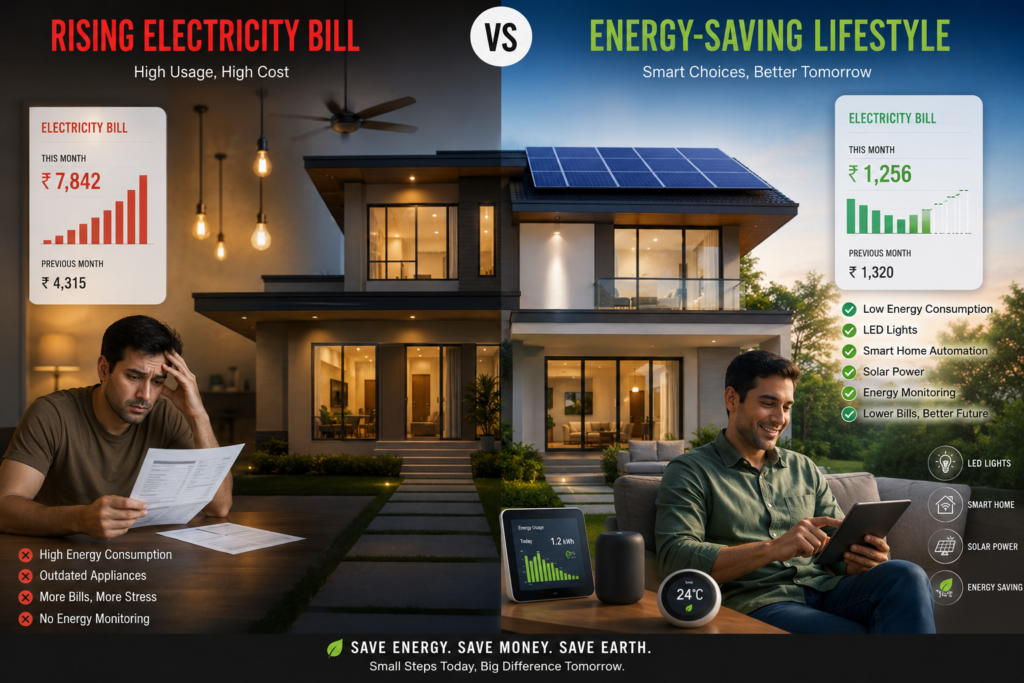
Best Energy Saving Tips for Every Household
1. Switch to LED Lighting Immediately
If you’re still using incandescent bulbs, this is one of the fastest wins available.
The U.S. Department of Energy reports that LED bulbs use up to 75% less energy and last significantly longer than traditional lighting.
Let’s say your household has 20 bulbs.
Replacing them with LEDs could lower annual electricity costs while reducing replacement expenses.
Pro Tip: Replace bulbs in frequently used rooms first. Kitchens, living rooms, and hallways usually deliver the quickest savings.
2. Eliminate “Phantom Power”
Ever notice that tiny light glowing on your TV even when it’s off?
That’s phantom power.
Many electronics continue consuming electricity while in standby mode.
Common offenders include:
- Televisions
- Gaming consoles
- Coffee machines
- Phone chargers
- Desktop computers
A smart power strip can automatically cut power to idle devices.
It may not sound exciting, but those small savings add up month after month.
3. Adjust Your Thermostat Strategically
Heating and cooling often account for the largest portion of household energy expenses.
A difference of just one or two degrees can noticeably impact yearly costs.
Consider:
- Lowering heating slightly during winter.
- Raising cooling temperatures slightly during summer.
- Using programmable schedules.
- Turning systems down while sleeping.
Many homeowners report meaningful savings simply by automating thermostat settings.
Comparison Table: High Impact vs Low Impact Savings
| Action | Cost | Potential Savings | Difficulty |
|---|---|---|---|
| LED Bulbs | Low | High | Easy |
| Smart Thermostat | Medium | High | Easy |
| Insulation Upgrade | High | Very High | Moderate |
| Unplug Devices | Free | Moderate | Easy |
| Air Dry Laundry | Free | Moderate | Easy |
Smart Technology That Saves Money
Technology isn’t always about spending more.
Sometimes it helps you spend less.
Smart Thermostats
These devices learn your schedule and automatically adjust temperatures.
For busy households, they help avoid heating or cooling empty rooms.
Smart Plugs
Want to know exactly how much electricity your coffee maker uses?
Smart plugs provide real-time tracking and remote control.
Energy Monitoring Systems
These systems identify which appliances consume the most electricity.
Many homeowners are surprised by the results.
I’ve seen people discover that an old refrigerator was costing far more than expected.
Energy Saving Habits That Cost Nothing
Not every solution requires opening your wallet.
Some of the most effective energy-saving habits are completely free.
Wash Clothes in Cold Water
Modern detergents work extremely well in cold water.
Heating water consumes significant energy, so this simple switch can reduce utility costs.
Use Natural Light
Open curtains during the day.
You already paid for the sunshine.
Might as well let it work for you.
Run Full Loads Only
Whether it’s your washing machine or dishwasher, partial loads waste energy and water.
Wait until machines are full whenever practical.
Air Dry When Possible
Dryers are convenient.
They’re also energy hungry.
Even drying a portion of your laundry naturally can help lower costs over time.

Biggest Home Upgrades Worth Considering
Some people might say energy upgrades aren’t worth the upfront expense.
I disagree—if you’re planning to stay in your home for several years.
Improve Insulation
Poor insulation is like trying to fill a bucket with holes.
Heat escapes.
Money escapes too.
Adding insulation often improves comfort while lowering heating and cooling costs.
Upgrade Old Appliances
Older refrigerators, air conditioners, and washing machines generally consume more electricity than modern efficient models.
Before replacing anything, compare annual energy consumption ratings.
Install Solar Panels
Solar isn’t the right fit for everyone.
However, in regions with strong sunlight and supportive incentives, solar systems may reduce long-term electricity expenses significantly.
Always calculate payback periods before investing.
Common Mistakes to Avoid
Many households unknowingly sabotage their own savings efforts.
Here are the biggest mistakes:
Ignoring Small Energy Leaks
Tiny inefficiencies seem harmless individually.
Combined together, they can cost hundreds annually.
Buying Cheap Inefficient Appliances
The lowest purchase price isn’t always the cheapest option long term.
Energy consumption matters.
Running HVAC Systems Constantly
More runtime doesn’t always mean more comfort.
Proper maintenance often improves efficiency.
Forgetting Seasonal Maintenance
Dirty filters force heating and cooling systems to work harder.
Replace filters regularly.
Chasing Every Trend
Not every energy-saving gadget delivers meaningful results.
Focus on proven improvements first.
Frequently Asked Questions
1. What are the best energy saving tips for beginners?
Start with LED bulbs, unplug unused devices, adjust thermostat settings, and run full laundry loads.
2. How much can I realistically save?
Savings vary based on location, climate, household size, and current energy habits. Some households see modest reductions while others save substantially.
3. Are smart thermostats worth the money?
For many households, yes. They help automate efficient temperature management and reduce waste.
4. Is solar power necessary to lower energy bills?
No. Many people achieve noticeable savings without solar by improving efficiency and changing habits.
5. Which appliance uses the most electricity?
Heating and cooling systems often consume the most energy, though older refrigerators and water heaters can also be significant contributors.
Conclusion
The best energy saving tips aren’t always flashy.
Most of the time, they’re surprisingly simple.
Switching to LEDs, eliminating phantom power, improving insulation, and building smarter daily habits can reduce utility expenses without dramatically changing your lifestyle.
The goal isn’t perfection.
It’s progress.
Start with one change this week. Add another next month. Over time, those small improvements can create meaningful savings while helping your household become more energy efficient.
Remember, results may vary depending on your energy provider, home size, weather conditions, and local utility rates.
Recommended More Article
- How to Build an Emergency Fund From Scratch
- Best Budgeting Apps in 2026
- 50 Easy Ways to Save Money Every Month
- NerdWallet
- Investopedia
Financial Disclaimer
This article is for educational and informational purposes only and should not be considered financial, investment, tax, legal, or professional advice. Energy savings and financial outcomes vary by household, region, utility rates, property conditions, and personal circumstances. Always conduct your own research and consult qualified professionals before making significant financial or home improvement decisions.